


214-808 Britannia Rd W, Mississauga, ON L5V 0A7, Canada

Humanitarian & Compassionate

Expert Assistance for Humanitarian & Compassionate Applications in Canada

What Does Humanitarian & Compassionate in Canada Mean for Applicants?

The Humanitarian and Compassionate route in Canada lets some people apply for permanent residency if they have unique personal situations. Even if they don't fit standard program requirements, this lets them stay if they show exceptional circumstances.

Key points about Humanitarian & Compassionate in Canada include:

  • Available to Individuals in CanadaH&C applications are generally submitted by people who are already living in Canada.
  • Based on Compassionate CircumstancesApplications are assessed based on factors such as hardship, family ties, establishment in Canada, and other humanitarian considerations.
  • Best Interests of ChildrenIRCC may consider the impact a decision could have on any children affected by the application.
  • Exemption from Certain Immigration RequirementsApplicants can request special consideration when they do not qualify under traditional immigration pathways.
  • Strong Supporting Evidence Is RequiredDocuments and detailed explanations are essential to demonstrate why special consideration should be granted.
  • Each Case Is Reviewed IndividuallyThere are no automatic approvals, and every application is assessed on its own merits.
  • Approval Is Not GuaranteedDecisions are discretionary and depend on the strength of the application and supporting evidence.

A well-prepared Humanitarian & Compassionate application in Canada can help set out your circumstances clearly and improve your chances of a favourable outcome.

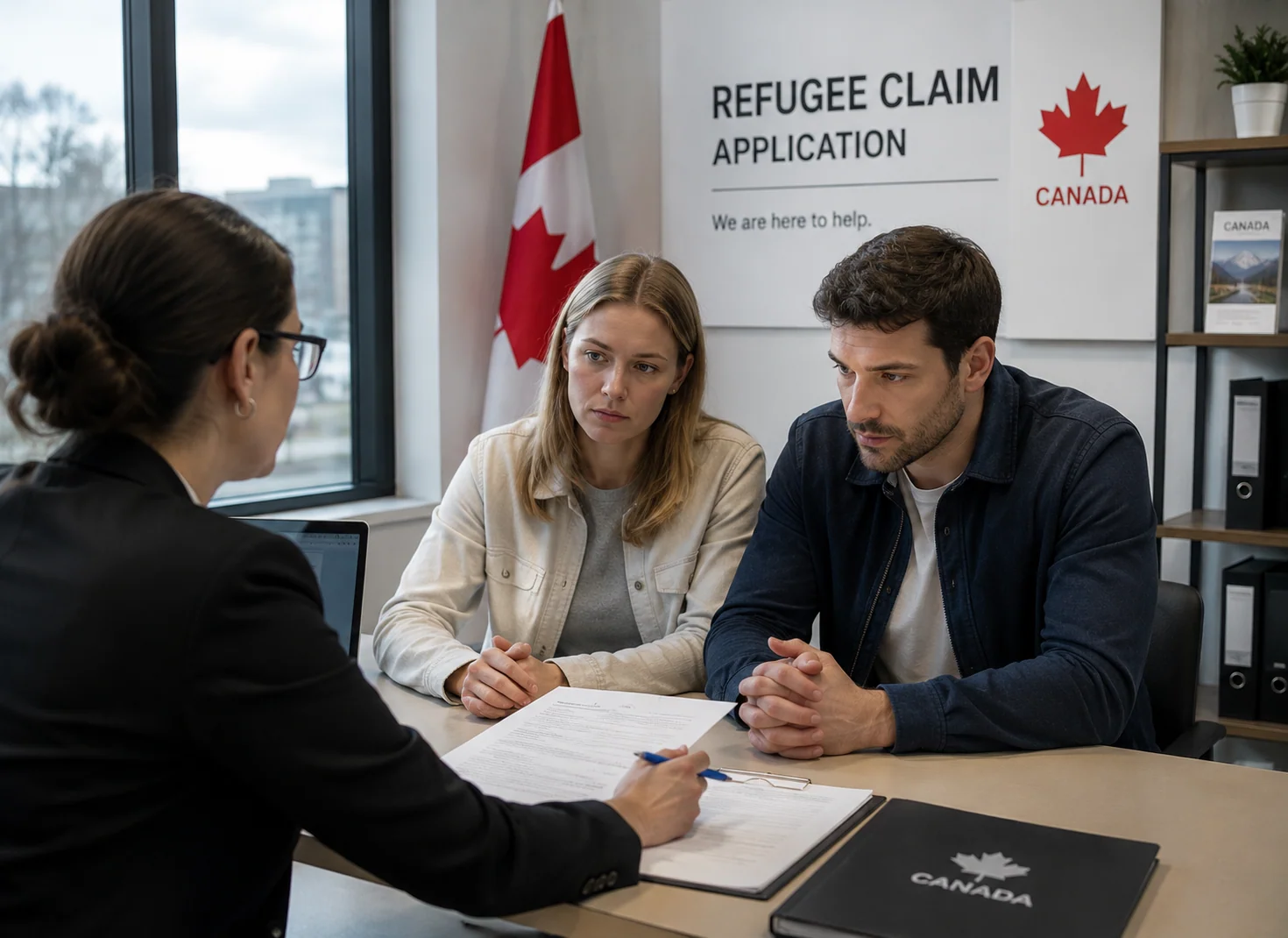
Students reviewing a Humanitarian and Compassionate application with an advisor

Who Is Eligible for Humanitarian Compassionate Cases in Canada?

Canadian Humanitarian Compassionate Cases are a way for individuals with unique circumstances to apply for permanent residence when they do not qualify through standard immigration programs.

You may be eligible to apply if:

  • You are currently living in Canada without valid immigration status, such as after a visa overstay.
  • You have received a removal order but have compelling reasons to remain in Canada.
  • Returning to your home country would cause significant personal, financial, medical, or family hardship.
  • You have established strong ties to Canada through work, education, community involvement, or long-term residence.
  • Your departure from Canada would have a serious impact on your spouse, partner, children, or other close family members.
  • The best interests of a child would be negatively affected if you were required to leave Canada.

However, you may not be eligible for Humanitarian Compassionate Cases in Canada if:

  • You currently have an active refugee claim being processed by Canadian immigration authorities.
  • You received a negative refugee decision within the last 12 months, unless specific exceptions or extraordinary circumstances apply.
  • You do not have sufficient evidence to demonstrate hardship or compassionate grounds.

Each case is different and eligibility will be decided by your individual circumstances and evidence you provide with your application.

Common Humanitarian Compassionate Cases in Canada

Applicants holding passports and a phone for immigration support

Humanitarian Compassionate Cases in Canada are often used by individuals facing exceptional personal circumstances that make it difficult or unreasonable for them to leave the country. Some common situations include:

  • Parents of Canadian-Born Children - Individuals who have spent years raising children in Canada and whose removal could significantly affect their children's well-being and stability.
  • Long-Term Residents Without Status - People who have lived, worked, and contributed to Canadian communities for an extended period despite lacking valid immigration status.
  • Caregivers for Family Members - Individuals who provide essential care and support to relatives with serious medical conditions, disabilities, or special needs.
  • Individuals Facing Significant Hardship - People who may not qualify for refugee protection but would experience serious personal, financial, social, or humanitarian hardship if required to return to their home country.
  • Victims of Abuse or Domestic Violence - Individuals who cannot safely return to their country of origin due to domestic violence, abuse, or other vulnerable circumstances.

Each case is different and eligibility will be decided by your individual circumstances and evidence you provide with your application. Each application is considered on its own merits, based on the applicant's circumstances, supporting evidence, family ties, settling in Canada and the level of hardship they may face if they are asked to leave Canada.

Circumstances That May Strengthen a Humanitarian & Compassionate Application

When people find themselves in extraordinary circumstances that make it difficult to leave their country, they often turn to Humanitarian Compassionate Cases in Canada. Typical examples are:

  • Parents raising Canadian-born children whose lives would be significantly affected by a parent's removal.
  • Individuals who have lived, worked, and contributed to their communities in Canada for many years without legal status.
  • People providing care and support to family members with serious medical conditions or special needs.
  • Failed refugee claimants who may not qualify for refugee protection but would face significant hardship if required to return home.
  • Victims of domestic violence, abuse, or vulnerable situations who cannot safely return to their country of origin.
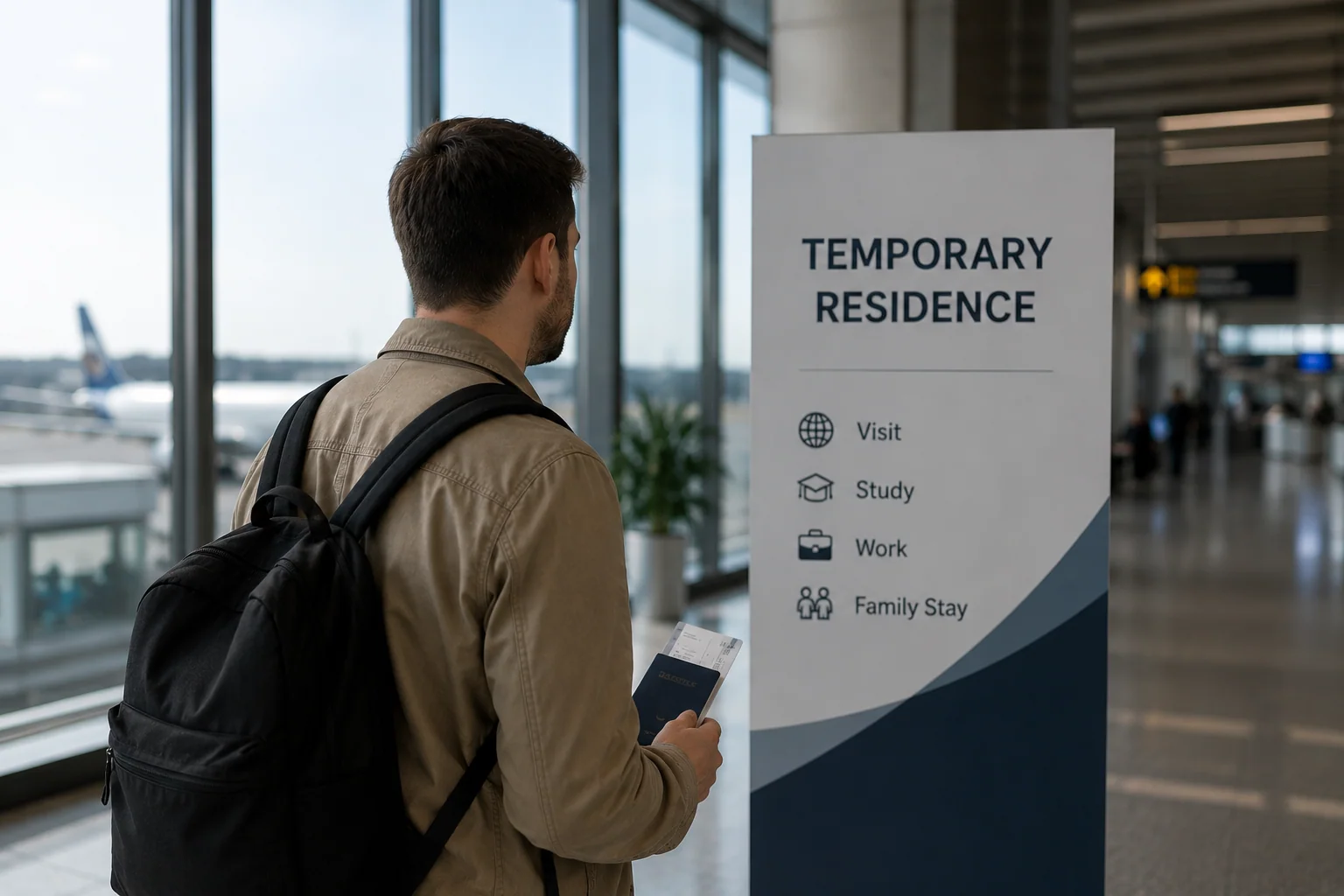
Applicant holding a passport and boarding pass for travel to Canada

How to Strengthen Your Application

A strong application can improve your chances of success. Supporting evidence may include:

  • Proof of employment, education, tax filings, housing arrangements, and community involvement.
  • Letters from employers, schools, community leaders, or religious organizations.
  • Medical and psychological reports that explain health concerns or special circumstances.
  • Documentation showing the impact a decision may have on children and family members.
  • Evidence demonstrating the hardship you may face if required to leave Canada.

And a detailed personal statement is a must too. It should clearly state your situation, your ties to Canada and why you should be considered on compassionate grounds.

Processing Times and Legal Support

Applying for Humanitarian and Compassionate (H&C) cases in Canada takes several months, and each one is judged based on its own strengths. If accepted, you could get permanent residency.

At ZF Canada Immigration, we aid clients in assembling robust H&C applications. We gather support, highlight hardships, and polish how your situation is presented. Our team strives to boost your odds of success.

Start Your CanadaImmigration Journey Today

Fill out the form below and our immigration team will contact you with the right guidance for your visa or PR application.

Attach file. File size of your documents should not exceed 10MB

Phone+1 (905) 858-5589
E-MAILinfo@zfcanada.com
Canadian passport held in front of a Canadian flag

Frequently Ask Questions

Any Question?

You can ask anything you want to know Feedback